
This project investigated the factors shaping community consensus in Web3 decentralized applications (DApps). By leveraging blockchain technology, Web3 empowers users to control their data and transitions them from passive consumers to active participants in rewards and governance.
The research aimed to address challenges in fostering user trust and ensuring sustainable engagement within decentralized communities. Key areas of focus included understanding the impact of user behaviors, trust-building mechanisms, and decentralized governance models on consensus formation. Additionally, the study explored strategies to maintain long-term user involvement and support the enduring success of Web3 services.
Wen, MH., Huang, CY., Chen, YC., Lin, IC. (2023). Exploring Factors Influencing Community Consensus Building of Web3 Decentralized Apps. In: Marcus, A., Rosenzweig, E., Soares, M.M. (eds) Design, User Experience, and Usability. HCII 2023. Lecture Notes in Computer Science, vol 14032. Springer, Cham. https://doi.org/10.1007/978-3-031-35702-2_29
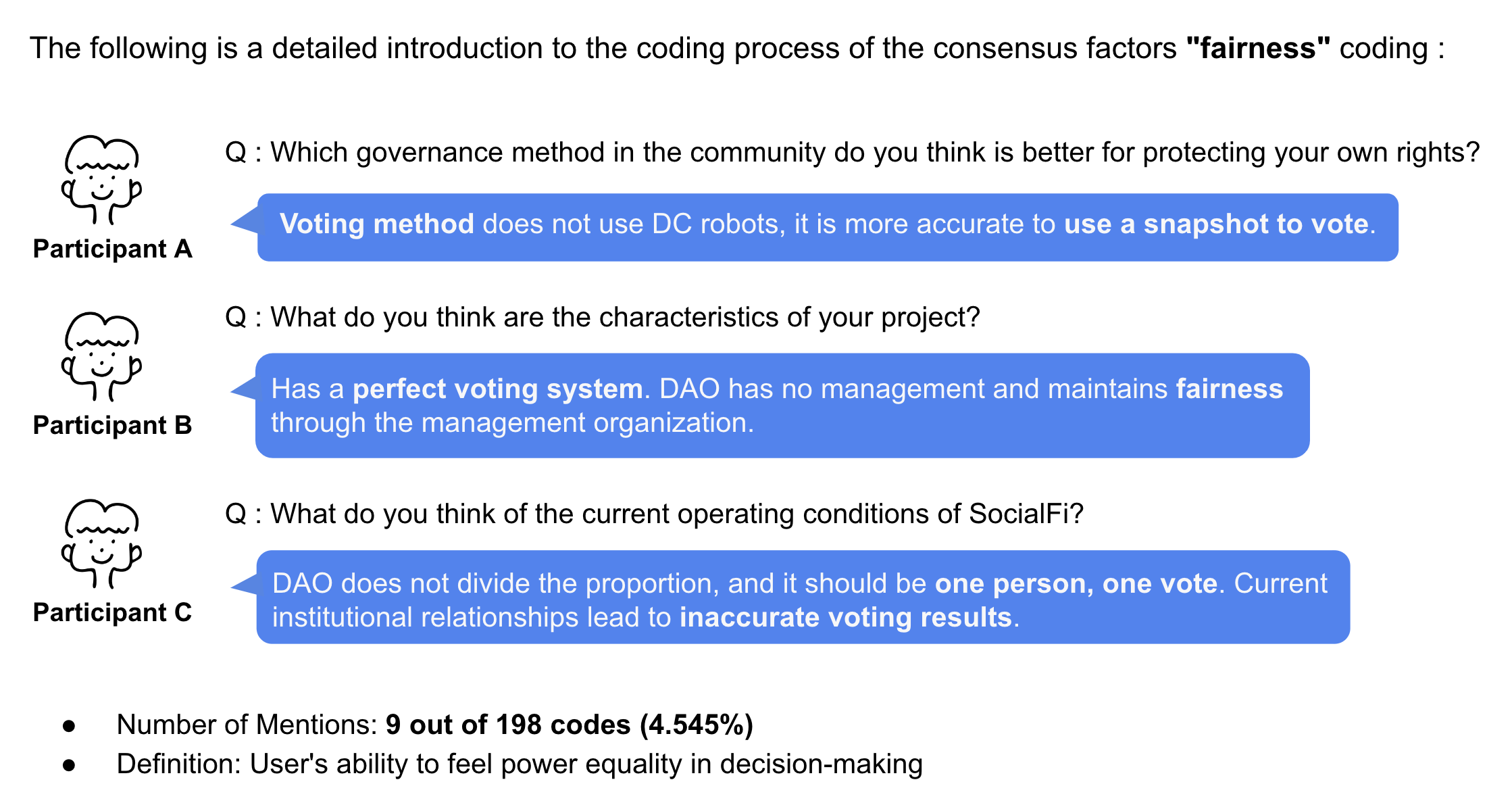
Open communication and clear project roadmaps help build trust within the community, ensuring users feel informed and valued.
Offering incentives through tokenomics encourages active participation and strengthens users' commitment to the community.
Additionally, factors such as fairness, affinity, and spiritual satisfaction were found to collectively enhance user retention and loyalty, further supporting community cohesion.
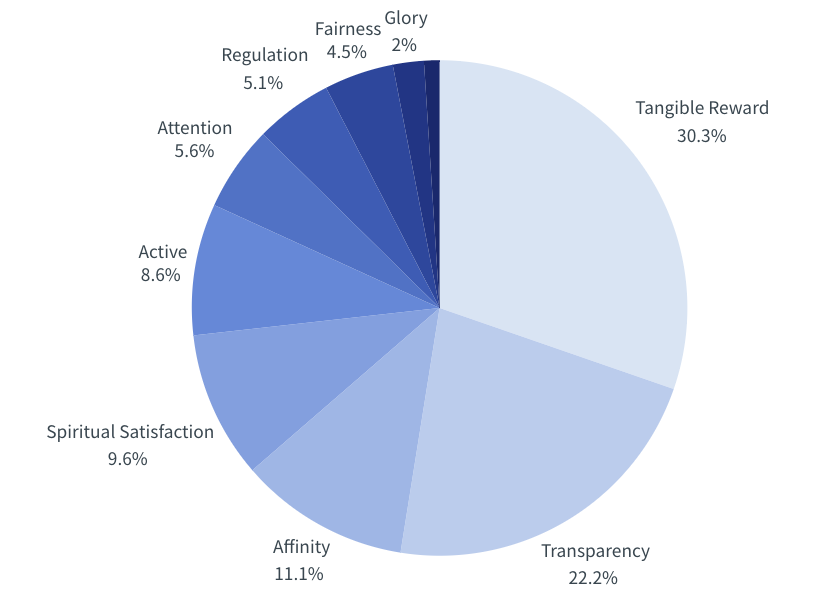
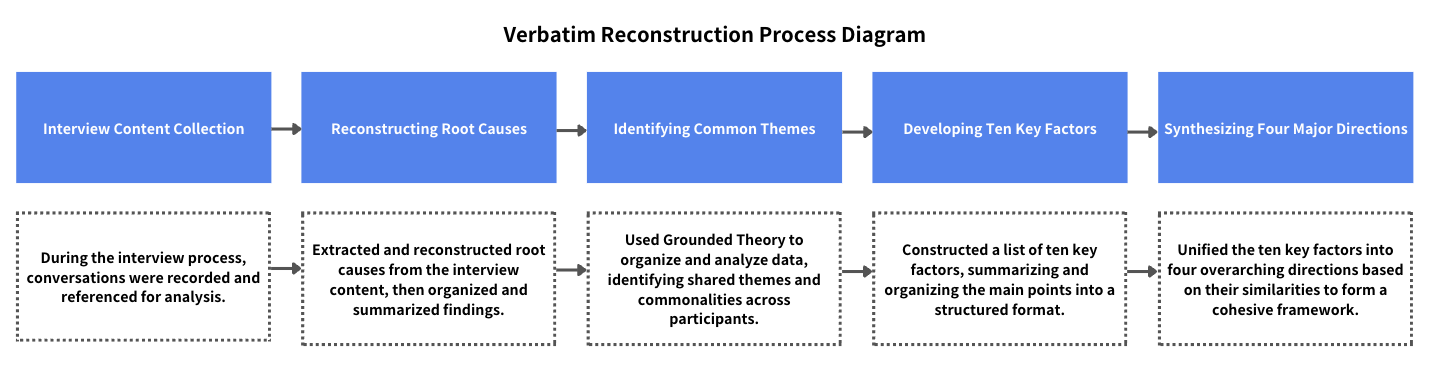
This research identified ten key factors for building consensus in Web3 communities, emphasizing trust, engagement, and collaboration. These findings show the importance of open communication and thoughtful incentives in creating a sense of belonging. What struck me most was how these principles go beyond Web3, reflecting the universal ways communities come together, whether online or offline.
While the findings were valuable, validating the ten factors through surveys or other methods would have made the results more complete. If time allows, this extra step could deepen the understanding and strengthen the framework's real-world application. Balancing community needs with decentralized governance also remains an ongoing challenge.